Sales Kickoff: A Guide for New AEs
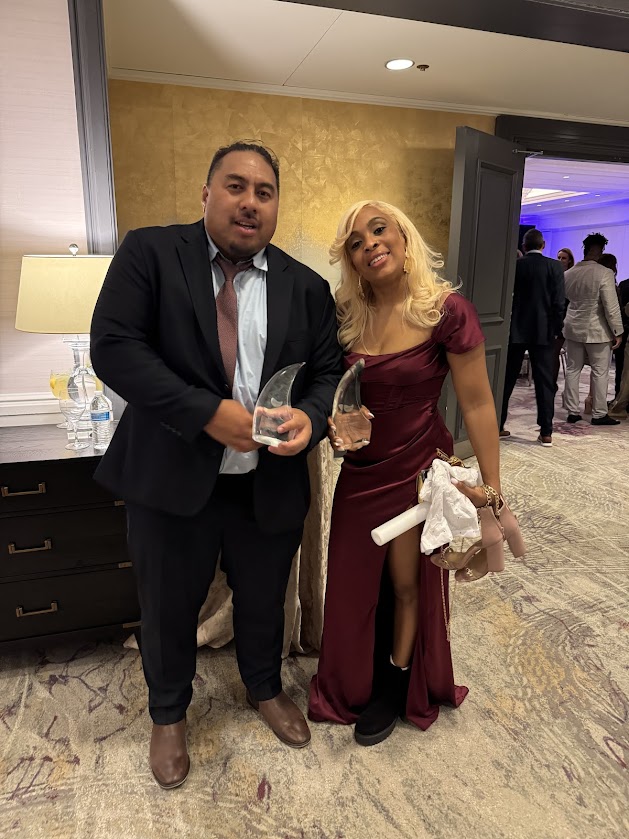
I’ve been to Sales Kickoffs locally, in Europe, the UK and the US. Some set me up for a great year. Others I forgot by February. Here’s what actually matters.
What is SKO and why it matters
Sales Kickoffs are annual events where the global sales team comes together to align on strategy, comp plans, and product roadmap for the year ahead. The purpose is to energise the salesforce and set direction for the upcoming financial year. Companies invest millions into these events. They fly hundreds of people somewhere, book out conference venues, bring in speakers, and give you the opportunity to be around your sales colleagues for a few days. That investment isn’t just about motivation - it’s about alignment. The board, executives, and private equity (if you’re funded by it) needs someone to answer to this. SKO is where that top-down direction meets the people who have to execute it. Take some time to get an idea of what to expect. It shows you the themes for the year, who’s been given the stage, and what the business is emphasising.
What you’ll experience
You’ll notice a specific energy. When you’ve got hundreds of sellers in a room where the common purpose in these types of roles is making money, you’ll feel it. High energy, big personalities, people leaning into the stereotypes. That’s fine - but you don’t need to get lost in it. The counterintuitive advice: focus on being present. Early in my career I’d try to write down every single thing people said. But there’s usually a recording, a transcript, something you can reference later. You don’t need to digest everything at the operational level in real time. Instead, pay attention to the soft skills people have. Which deals sound fun, which sound hard. When someone presents a case study, think about what you could take back and use yourself.
What to expect
You’ll sit through presentations on company direction, product roadmap, sales methodology and customer case studies. Some of it will be useful. Some of it will feel like corporate theatre. Be mindful that you’ll need to localise the global strategy if you’re in APAC as EMEA and US typically make up a large chunk of revenue brought into the business. Given this reality - your job isn’t to absorb everything at face value - it’s to listen for what you can localise to your patch. What technical proof point is prominent amongst your colleagues? How did they create success in a specific vertical? What case study or use case got their foot in the door?
Bonus if they have a session around the comp plan. This is the part that’s good to lean on your colleagues to get an idea of how to pay attention to arguably the most important part. What are the levers that allow you to make money? What is the pathway to execution? There’s an old adage - incentives drive behaviour. Multi-year deals? Don’t just listen to the presentation - work out how you’re going to maximise it.
Do’s
Build relationships that compress your sales cycle. SKO is your chance to meet the people who aren’t in your timezone but can make or break your deals. Legal. Order ops. Product. Introduce yourself with a beer or coffee and take some time to understand what their focus is for the year. If legal is heads down on an AI acceptable use policy, that tells you something about their bandwidth. Definitely spend time with them and get to know them and then follow up with them when you get back home. Name to face can make a lot of things easier for the rest of the year.
Figure out how to localise global strategy. Take the plays they’re pushing - partnerships, product-led growth, cross-sell motions - and cross-reference them against your book of business. Understand the probability of success in your market.
Collect stories. Case studies, deal breakdowns, customer wins. These are things you can take back to your customers. “When I was at SKO, I learned about how a company similar to yours did X” is a useful conversation starter.
Meet people outside sales. The opportunity most people miss is cross-departmental. New AEs tend to stick with their group. But SKO is your chance to meet HR, marketing, finance - people you’d never normally interact with. Those relationships pay off.
Don’ts
There’s going to be partying. That’s fine. Party hard but work harder.
My rule: keep an eye on the managers a few levels above you. When they leave, just know it’s late in the night and you can consider winding down the fun (I didn’t say stop completely). With managers a few levels above you, they’ve been to 20 or 30 of these things. They know how to have a good time at a corporate event while keeping balance. Follow their lead.
Don’t miss the 8am breakfast looking dishevelled. You don’t want to be that person.
Don’t get out of hand with the corporate credit card. There are normally rules and guidelines around this but again - be sensible.
Have fun, but don’t do anything stupid. Companies invest millions in these events and there’s an expectation of return.
What to take home
The work isn’t done when you finish the final keynote and can make your way to the airport to fly home. It’s just getting started. Take the product roadmap and condense it into key themes. Align those themes to the current state of your customers. Figure out where there’s an opportunity to retain, cross-sell, or upsell based on what’s coming.
Take the global strategy and pressure-test it against your territory. What works here? What doesn’t? What questions do you need to answer as a team, and what do you need to figure out personally to make your number?
Build your hypothesis for the year. SKO gives you the inputs - direction, comp plan, roadmap, relationships. What you do with them when you get back is what sets up your year.
One last thing
The best SKOs leave you with clarity and purpose. The worst leave you doing the work yourself when you get home. Either way, you’ve got a year to execute. The difference between a great SKO and a forgettable one isn’t what happens in the room - it’s what you pay attention to and what you take back.
If you’re heading to your first one: be present, build relationships, and don’t miss breakfast.